Updated June 23, 2026. Doubao-Seed 2.1 Pro is one of the most useful AI model keywords to watch today because it sits at the intersection of three fast-moving areas: coding, agents, and multimodal understanding.

For A2E users, the story is not that Doubao-Seed 2.1 Pro is a video generation model. It is not positioned that way. The important point is different: agent-ready models can help creators plan, inspect, and improve the work that surrounds AI video generation.
That makes this release relevant to anyone building AI video workflows for ads, ecommerce, social content, product explainers, avatars, or UGC-style campaigns. Better video models create the footage. Better agent and multimodal models help teams decide what to create, how to structure it, and what to fix before publishing.
What Is Doubao-Seed 2.1 Pro?
Doubao-Seed 2.1 Pro is ByteDance and Volcano Engine’s new flagship model in the Seed 2.1 series. Reports from the June 23, 2026 FORCE conference describe it as a model built for the coding and agent era, with upgrades across coding delivery, long-chain agent task execution, and multimodal understanding.
Volcano Engine’s product page lists Doubao-Seed-2.1-pro alongside a Turbo version. The Pro version is positioned for exploring highly complex tasks and high-value production scenarios, while Turbo is positioned for lower-cost, lower-latency production at scale.
That positioning is also showing up in public benchmark discussion. Arena reported that Seed 2.1 Pro Preview ranked #8 in Code Arena: Frontend with a 1539 score, on par with Opus 4.6, and performed strongly on React apps.
For creative teams, that benchmark is relevant because modern AI video production increasingly depends on the same abilities: understanding a brief, generating structured interfaces or tools, handling multi-step tasks, and turning messy creative inputs into an executable workflow.
That distinction matters. In creative production, the hard part is often not a single generation. It is the long chain of decisions before and after generation: reading a brief, planning scenes, checking references, writing prompts, reviewing results, making corrections, and preparing variations for different channels.
Why This Keyword Matters for AI Video SEO
The keyword Doubao-Seed 2.1 Pro is fresh, model-specific, and directly tied to today’s AI infrastructure news. That gives it a short but valuable SEO window. People searching it are likely trying to understand what changed, how it compares with other frontier models, and whether it matters for real production work.
For A2E, the best angle is not to chase the term with a generic news recap. The stronger angle is to connect Doubao-Seed 2.1 Pro to a concrete creative workflow: how agent-style AI can help creators turn a campaign idea into a usable video plan.
That is the same pattern we use for model-release SEO: explain the model, translate the release into creator language, and connect it to a real production stack. See how generation is evolving in Seedance 2.5 and HappyHorse 1.1, then explore the A2E Image-to-Video API for automated media workflows.
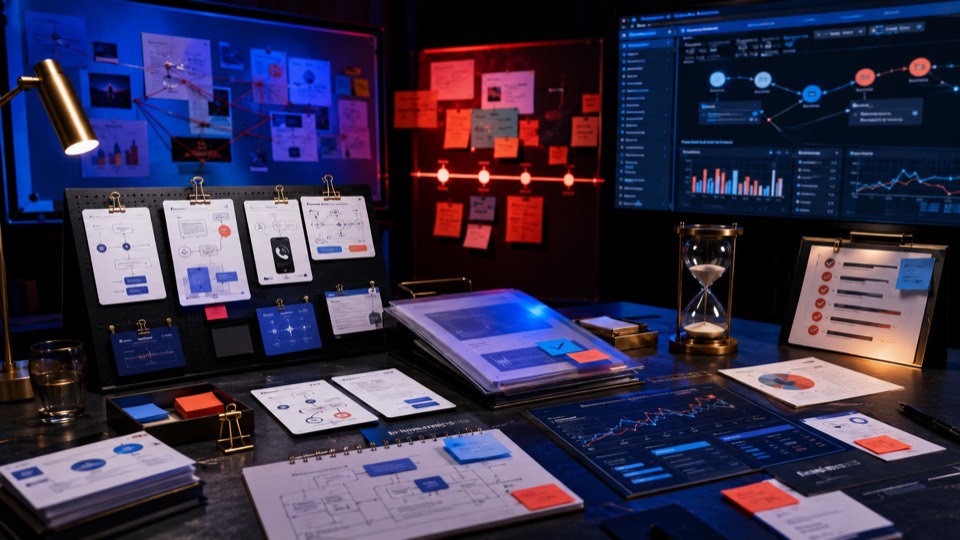
The Agent Layer Around AI Video
AI video generation is becoming more capable, but creative teams still need a system around it. A model can generate a clip, but a team still has to decide what the clip should do. Should it open with a problem? Should the product appear in the first three seconds? Should the avatar speak directly to the camera? Should the same visual be adapted for TikTok, YouTube Shorts, and a landing page?
This is where agent-oriented models become interesting. A creative agent can help turn a messy marketing goal into a structured production plan. It can produce shot lists, prompt variants, reference checklists, disclosure notes, and review criteria. It can also help compare outputs and suggest what to regenerate.
In practical terms, a Doubao-Seed 2.1 Pro-style workflow could support the planning layer before using an AI video tool. It can help a creator move from “I need a product ad” to a more complete brief: audience, scene, hook, product action, visual style, CTA, and platform format.
How It Connects to Multimodal Video Workflows
Multimodal understanding is especially relevant for AI video because video work rarely starts with text alone. Teams use product images, brand boards, previous ads, creator examples, screenshots, scripts, and sometimes rough clips. A model that can understand more of that context can help create better prompts and better review notes.
For example, a creator might upload product photos and ask for five short video concepts. An agent can identify key product features, suggest visual angles, write prompt variants, and recommend which ideas are strongest for ecommerce, paid social, or creator-led ads.
After generation, the same workflow can support review. Does the product stay consistent? Is the motion believable? Does the generated scene match the reference? Is the CTA clear? Are there visual details that could confuse the viewer? These questions are not glamorous, but they are the difference between a demo and a usable marketing asset.
A Practical A2E Workflow Inspired by Doubao-Seed 2.1 Pro
If you want to apply this trend today, think of Doubao-Seed 2.1 Pro as a signal that creative teams should build stronger planning loops around AI video generation. The workflow can be simple.
- Start with a campaign goal. Define whether the video is for awareness, conversion, product education, or social testing.
- Collect references. Gather product images, brand examples, audience notes, creator references, and platform requirements.
- Generate a scene plan. Break the video into hook, product moment, proof point, transition, and CTA.
- Write prompt variations. Prepare multiple prompts for image-to-video, avatar, product demo, or short ad workflows.
- Create video drafts in A2E. Use the A2E Image-to-Video workflow to test visual ideas from approved source images and prompt variations.
- Review with a checklist. Check continuity, product accuracy, rights, disclosure, and platform fit.
- Iterate before publishing. Keep the strongest version, regenerate weak sections, and adapt the concept for other channels.
This is not only useful for large teams. Solo creators and small businesses can use the same approach to avoid blank-page syndrome. The agent helps plan; the video tool helps generate; the creator makes the final judgment.
Best Use Cases to Watch
Product video planning. Turn product photos and selling points into short video concepts before generating clips.
UGC ad scripts. Convert a product benefit into creator-style hooks, objections, and short testimonial-style scripts.
Avatar explainers. Write presenter scripts, scene notes, and visual support ideas before creating avatar or talking-photo content.
Video review. Compare drafts against a campaign brief and identify what needs to be regenerated.
API and production workflows. For teams building creative systems, agent-style models can help coordinate prompt generation, asset selection, review, and routing across a larger pipeline.
What to Be Careful About
It is important not to overstate what Doubao-Seed 2.1 Pro is. The model is positioned around coding, agents, and multimodal understanding, not as a replacement for dedicated AI video generation models like Seedance. If you are writing about it for SEO, keep the distinction clear.
It is also worth avoiding unsupported claims about availability, benchmarks, or direct integrations. Use official pages and reliable coverage as references, and update the article as Volcano Engine and ByteDance publish more English documentation.
For generated marketing content, keep the usual checks in place: use authorized assets, avoid misleading synthetic people, disclose AI-generated content where appropriate, and review outputs before publishing.
Bottom Line
Doubao-Seed 2.1 Pro is a strong keyword today because it captures where AI production is going: from one-shot generation toward agent-assisted workflows. For A2E users, the opportunity is to use that shift to create better video briefs, stronger prompt systems, and more reliable review loops around AI video creation.
Video models create the pixels. Agent models help organize the thinking around those pixels. The teams that combine both will be better prepared for the next wave of AI creative production.
FAQ
What is Doubao-Seed 2.1 Pro?
Doubao-Seed 2.1 Pro is ByteDance and Volcano Engine’s flagship Seed 2.1 model for complex coding, agent tasks, multimodal understanding, and high-value production scenarios.
Is Doubao-Seed 2.1 Pro the same as Seedance 2.5?
No. Doubao-Seed 2.1 Pro is an agent, coding, and multimodal understanding model. Seedance 2.5 is a video generation model. They are related through the broader AI production workflow, but they serve different roles.
Why does Doubao-Seed 2.1 Pro matter for video creators?
It matters because agent and multimodal models can help plan scenes, write prompts, understand references, review outputs, and coordinate the work around AI video generation.
Can I use A2E with Doubao-Seed 2.1 Pro?
This article does not claim a direct Doubao-Seed 2.1 Pro integration inside A2E. The practical takeaway is that A2E users can apply agent-style planning habits when creating AI videos, product clips, avatars, and UGC-style content.