ByteDance’s AI media roadmap moved again today. At Volcano Engine’s 2026 Summer FORCE conference, Seedance 2.5 was presented as the next step for AI video generation: longer native clips, more references, and more controllable local editing.

For creators and marketers, the important question is not only whether a new model looks impressive in demos. The practical question is simpler: does it make real video work easier? Can a team plan a product ad, keep visual references consistent, edit one part of a scene, and produce something long enough to use in a campaign?
That is why Seedance 2.5 is worth watching closely. Reports from the FORCE event say the model supports native single-segment 30-second video generation, up to 50 full-modal reference materials, and more precise local editing with stronger visual consistency. The same reports say Seedance 2.5 is near the end of internal testing and is expected to become available in early July. Those details matter because they point toward AI video becoming less like one-off clip generation and more like a controllable production workflow.
This update also arrived alongside the official release of Seed2.1, ByteDance Seed’s new agent-capable model family. Seed2.1 is not a video generator itself, but its stronger multimodal and video understanding capabilities are relevant to the same direction: AI systems that can understand source material, plan work, use tools, and help creators move from idea to output.
What Changed With Seedance 2.5?
The headline feature is longer native generation. A 30-second AI video is a different creative unit from a five-second or ten-second clip. It gives room for a hook, a product reveal, a transition, and a final call to action. For social ads, ecommerce demos, creator promos, and explainer videos, that extra duration can reduce the amount of manual stitching needed after generation.
The second major change is reference depth. A workflow that accepts many multimodal references can be more useful for brand and product work because marketers rarely start from a blank prompt. They usually have product photos, brand colors, campaign references, creator examples, customer scenes, or previous ad footage. The more cleanly a model can use references, the easier it becomes to keep a generated video on brand.
The third change is controllable editing. The latest reports describe local editing that keeps the overall frame consistent while changing a specific area. That is a big deal for production. In real campaigns, the first generation is rarely final. A product label may be wrong, a hand movement may feel awkward, a background may distract, or the camera path may need a small adjustment. Local editing is what turns AI video from a novelty into a repeatable creative process.
Why 30-Second AI Video Matters for Marketing
Most marketing teams do not need a single cinematic masterpiece. They need a lot of usable variations. A product launch may need a TikTok hook, an Instagram Reel, a YouTube Shorts version, a landing page hero, a founder-style explainer, and several ad tests. Longer native generation can make those drafts easier to produce because the model can carry more of the scene structure in one pass.
For ecommerce, 30 seconds is enough to show a product problem, the product in use, a lifestyle scene, and a closing benefit. For SaaS, it can cover a quick before-and-after workflow. For education or training, it can show a presenter, a visual example, and a short summary. For creator-led ads, it can fit the rhythm of a natural social video without feeling like a tiny fragment.
To test the current Seedance workflow in A2E, start with Seedance 2.0. For deeper context, read our hands-on Seedance 2.0 Mini review or compare Seedance 2.0 with Kling.
What Seed2.1 Adds to the Story
Doubao-Seed 2.1 Pro deserves attention because AI video work is not only about rendering frames. It also involves planning, research, scripts, references, review, and iteration. In its official release notes, ByteDance Seed highlights stronger general agent capabilities, more stable end-to-end coding delivery, and stronger multimodal understanding, including video understanding.
For creators, that points toward a future where one system can help analyze source material, turn a campaign goal into a shot list, write prompt variations, inspect generated clips, and suggest edits. Video generation and video understanding are becoming part of the same production loop.
That does not mean every new model should be treated as magic. It means teams should build better creative systems around the models: structured briefs, reusable prompt patterns, reference libraries, approval checklists, and clear rules for disclosure and rights.
A Practical A2E Workflow to Prepare
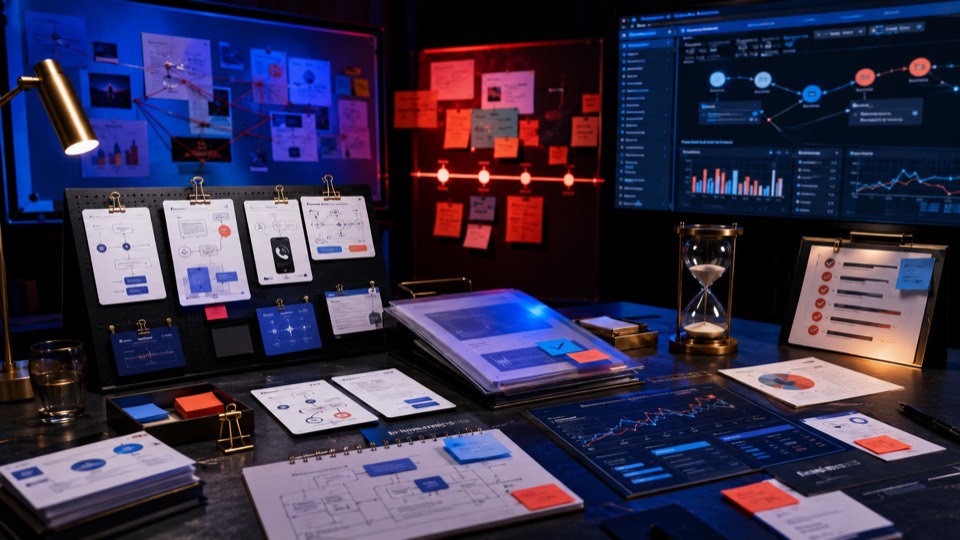
If you want to be ready for Seedance 2.5-style generation, start by changing how you prepare inputs. A loose prompt is no longer enough. Longer, reference-heavy video generation needs a clearer creative brief.
- Define the job of the video. Is it a product demo, a social hook, an ad variation, an avatar explainer, or a landing page visual?
- Collect references before generating. Use product photos, scene examples, color direction, camera style, avatar references, and previous campaign assets.
- Break 30 seconds into beats. Plan the opening hook, middle action, transition, product moment, and closing frame.
- Write prompts with camera and motion direction. Mention framing, movement, subject continuity, lighting, and what should not change.
- Generate multiple drafts. Do not judge the model from one output. Compare versions for pacing, brand fit, and editability.
- Review before publishing. Check product accuracy, rights, disclosure, visual continuity, and platform requirements.
For reference-led creation, see A2E’s Image-to-Video workflow. If generation cost is part of the decision, the Seedance 2.0 pricing comparison explains how iteration volume changes the practical budget.
Use Cases to Watch First
Product ads. Longer native clips can show a product in context, demonstrate use, and close with a campaign message.
Creator-led UGC. More references can help keep creator style, product details, and scene mood more consistent across variations.
Brand explainers. Thirty seconds gives enough room for a short narrative, not just a visual flash.
Avatar and talking-photo workflows. As video understanding and generation improve together, presenter-style content can become easier to script, review, and adapt.
Previsualization. Teams can test ad concepts, storyboards, product scenes, and campaign directions before investing in full production.
What to Be Careful About
Model releases often create excitement before access is broad. Seedance 2.5 has been announced, but public availability and exact product integrations may vary by platform. Creators should avoid claiming support in a tool until that support is live and clearly documented.
Rights also matter. If you use references, make sure you have permission to use them. If you generate people, avatars, or influencer-style content, get consent where required and disclose AI-generated material when the context calls for it. Better models make responsible workflows more important, not less.
Bottom Line
Seedance 2.5 looks important because it pushes AI video toward longer, more controllable, reference-rich production. Seed2.1 adds another signal: the broader AI stack is moving toward agents that can understand visual material, plan work, and help complete multi-step creative tasks.
For creators and marketers, the takeaway is practical. Start preparing better inputs. Build reusable prompt and reference systems. Think in scenes, not single clips. And when you test AI video in A2E, treat each generation as part of an iterative production workflow.
Create a Seedance video in A2E
Seedance 2.5 is not yet available in A2E, so you can start with Seedance 2.0 to test text-to-video, image-to-video, motion, and cinematic scene ideas.
FAQ
Is Seedance 2.5 available now?
Reports from June 23, 2026 say Seedance 2.5 is near the end of internal testing and expected to launch in early July. Availability may vary by platform.
What is the biggest Seedance 2.5 upgrade?
The most practical upgrade is native 30-second video generation, combined with support for more references and more controllable local editing.
How is Seed2.1 related to AI video?
Seed2.1 is an agent-capable model family rather than a video generator, but its stronger multimodal and video understanding capabilities point toward better planning, review, and editing workflows around generated video.
Can I use A2E for Seedance-style video workflows?
Yes. A2E supports AI video workflows for prompts, images, product scenes, avatar-style content, and marketing video ideas. Always check the live tool page for the currently available models and features.